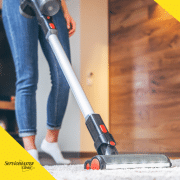
Mops vs Vacuums: Which is Better for Your Home Cleaning Needs?

When it comes to keeping your floors clean, choosing the right tool can make a world of difference. Two of the most common options are traditional mops and wet/dry vacuums. But how do they stack up against each other in terms of energy efficiency, ease of use, cost, and effectiveness? Let’s break it down.
Energy Efficiency & Water Usage
If you’re looking to minimise your energy and water usage, traditional mops have the upper hand. Since mops are manually operated, they don’t consume any electricity. Additionally, a typical mop bucket holds around 3 gallons of water, which is far less than the 20-gallon capacity you might find in some wet/dry vacuums. This makes mops a more environmentally friendly choice when it comes to both energy and water usage.
Ease of Use
Vacuums:
- Wet/dry vacuums often come with various attachments, which can be confusing and require you to carefully read through the instructions before use
- Despite the initial learning curve, vacuums offer dual functionality—they can vacuum up crumbs and dust, and then clean the floor
- When it comes to stubborn messes, vacuums require less effort from the user compared to traditional mops
- Vacuums are versatile, with uses that extend beyond just your home. They can clean your car, artificial grass, and more
- However, vacuums can sometimes be bulky, making them harder to store and move around your home
- It’s essential to note that some vacuums aren’t suitable for all types of flooring, such as laminate, wood, or vinyl, so always check the model specifications before purchasing
Mops:
- Traditional mops are straightforward to use, but the process can be time-consuming—filling and emptying the bucket, wringing out the mop, and ensuring you’re using clean water to avoid spreading dirt and germs
- Mops are easy to move from room to room since they don’t have cords, making them more flexible in that regard
- However, carrying buckets of water can be challenging and potentially messy, especially for those with limited strength or mobility
Cost & Longevity
When it comes to upfront costs, mops are generally the cheaper option. You can easily find mop products in most stores at a low price, and since they don’t require electricity, they’re more cost-effective in the long run. On the other hand, vacuums are a more significant investment, with higher initial costs and pricier accessories.
Mops typically don’t come with a warranty, and they tend to last around six months with regular use. In contrast, most wet/dry vacuums come with warranties and can last up to eight years, making them a more durable option, although more expensive overall.
All in all, mops are still the cheaper option (Based on £350 for a vacuum and £200 for mid-range over 8 years).
Effort on the User’s Part
For the average person, mops are relatively easy to use. However, they can become hard work, particularly for older individuals or those with physical limitations. On the flip side, wet/dry vacuums are generally quicker to use than traditional mops, making them a time-saving choice.
Both tools require some level of maintenance—vacuums may need more frequent upkeep due to their more complex machinery, whereas mops mainly require proper cleaning and storage to prevent bacterial growth.
When to Choose a Mop Over a Wet/Dry Vacuum
While wet/dry vacuums are excellent for tackling large areas, heavy dust, and even cleaning upholstery or curtains, there are situations where a traditional mop might be a better choice:
- Smaller Spaces: Mops are easier to store and take up less space.
- Simplicity: If you prefer a straightforward, no-fuss cleaning routine, a mop might suit you better.
- Budget: If you’re looking to save money, a mop is the more economical option.
However, it’s important to remember that traditional mops and even vacuums can become unhygienic if not properly maintained. Always consider your home’s flooring type, foot traffic, and storage space before making a decision. If you have kids or pets, these factors become even more crucial.
Final Thoughts
If you’re looking for a deeper clean with less hassle, a wet/dry vacuum might be worth the investment. These machines often leave floors drier than traditional mops and provide a more thorough clean. Additionally, some vacuum models combine both vacuum and mop functions, making them a convenient, all-in-one solution. Just be prepared for higher upfront costs and more maintenance.
In contrast, if you prefer a more budget-friendly and environmentally conscious approach, a traditional mop will get the job done, albeit with a bit more manual effort.
Whichever option you choose, remember that keeping your cleaning tools in good condition is key to maintaining a clean and healthy home. Happy cleaning!
If you’d prefer to have your flooring professionally cleaned, book a cleaning service with us today. Find your nearest ServiceMaster Clean here, or book online.