Many people suffer from hay fever caused by airborne spring pollen at this time of year.
Pollen does not remain outside; it enters your home on shoes, clothing, and through open windows.
Carpets and rugs quietly collect it all.
How carpets and rugs trap pollen
Carpets and rugs act as filters, trapping dust, pet hair, and airborne allergens such as pollen.
At first, that seems helpful, and in many ways, it is. However, problems arise when those trapped particles begin to accumulate.
Once pollen settles deep into fibres, it remains there until properly removed. Regular movement disturbs it, and every step releases small particles back into the air.
This is often why people sneeze indoors even when windows are closed.
Why does walking on carpets make symptoms worse?
Walking across a carpet or rug causes the fibres to move, releasing trapped pollen into the air.
Allergens that appeared settled become airborne when you sit on the floor, shake a rug, or move furniture.
For people with hay fever, symptoms can include sneezing, coughing, itchy eyes, and congestion. While the home may feel like a refuge from pollen, symptoms persist.
Why does spring make the problem noticeable?
On warmer days, people tend to keep their windows open longer, allowing more pollen to enter the home, where it quickly settles into soft furnishings.
Carpets and rugs may still contain winter dust, which can add to the overall indoor allergen load.
Without proper cleaning, pollen builds up throughout the season.
How to reduce pollen in carpets and rugs
There are practical steps you can take to limit the impact.
- Vacuum regularly, ideally at least twice a week.
- Use a vacuum with a HEPA filter – HEPA filters trap allergens rather than releasing them back into the air.
- Empty your vacuum frequently – A full dust container reduces suction and can release particles when opened.
- Take your shoes off at the door – Pollen clings to soles and can easily be walked through the home.
- Dust surfaces regularly to remove settled allergens before they can re-enter carpets.
- Avoid drying clothes or bedding outside on high pollen days – Fabrics can collect pollen and transfer it indoors.
- Change bedsheets often during peak pollen season – This reduces the amount of pollen circulating in bedrooms.
Why professional cleaning helps
Despite regular vacuuming, pollen can still settle deeply within carpet fibres and the backing of rugs.
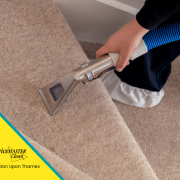
Professional carpet and rug cleaning effectively removes allergens that household equipment cannot reach. Scheduling a cleaning before pollen season begins establishes a cleaner baseline. Cleaning again after peak season eliminates the buildup.
This method decreases the total amount of allergens in your home.
A cleaner floor, easier breathing
Carpets and rugs do not cause allergies; rather, they trap particles that enter the home.
Controlling spring pollen indoors begins with what’s on the floor. Regular maintenance and professional cleaning help prevent carpets and rugs from becoming long-term storage for allergens.
If spring pollen is impacting your home’s environment, professional carpet and rug cleaning can effectively and safely reduce trapped allergens.