How to Deal With Odours in Soft Furnishings

Unpleasant odours in the home often come from unexpected places. You empty the bins, clean surfaces, and open the windows. Still, something lingers.
In many households, the issue lies in soft furnishings. Carpets, rugs, upholstery, and curtains absorb odours over time. By the time you become aware of them, those smells have usually penetrated deep into the fibres.
Why soft furnishings hold onto smells
Soft furnishings are porous, which means they trap particles that travel through the air around them.
Cooking smells, pet odours, smoke, and moisture all settle into the fibres.
Wet shoes are brought indoors, coats dry inside, and steam from kitchens and bathrooms drifts into living spaces.
Over time, fabrics absorb all of these. Vacuuming helps remove surface dirt, but it cannot eliminate odours that are embedded deeper within the fibres.
Why winter makes the problem worse
During colder months, windows remain shut, and heating stays on. Consequently, indoor air circulates rather than being refreshed, and moisture levels increase.
Odours linger longer. Soft furnishings retain smells, which become more noticeable by late winter or early spring. Because of this, homes often smell clean but never quite feel fresh.
Why quick fixes rarely solve the issue
Air fresheners and sprays only mask odours. Baking soda and home remedies can offer temporary relief, but they do not tackle the root cause.
Once smells penetrate deep into carpet fibres or upholstery padding, surface treatments cannot reach them.
As a result, odours often return quickly, sometimes even stronger than before. If moisture is involved, masking the smell can actually worsen the problem over time.
How professional cleaning removes odours properly
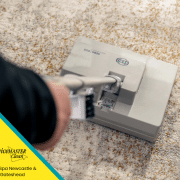
Professional carpet, rug, upholstery, and curtain cleaning targets odours at their source.
Deep cleaning lifts dirt, moisture, and odour-causing particles from within the fibres. This process removes residue rather than covering it up. That difference matters.
In addition, professional cleaning methods carefully control moisture. Fabrics dry thoroughly, which helps prevent new smells from forming. The result is not a scented home. Instead, rooms smell clean because the cause of the odour has gone.
Common sources of trapped odours
Certain areas tend to cause problems more frequently than others, including:
- Living room sofas and chairs, especially armrests and seat cushions
- Hallway carpets exposed to wet shoes and coats
- Rugs in high-traffic areas
- Curtains near kitchens or open windows
- Pet beds and the surrounding flooring
These areas endure heavy use every day, yet people often overlook them.
How often soft furnishings need cleaning
There is no fixed rule. However, most homes benefit from professional cleaning at least once a year.
Homes with pets, children, or heavy use often require it more frequently. Regular professional cleaning helps avoid odours from becoming deeply embedded.
It also makes daily cleaning easier and helps sustain a comfortable atmosphere.
When to take action
If odours linger after cleaning, return quickly, as they can worsen in damp weather; soft furnishings are usually the source.
Addressing the issue early prevents more serious problems and ongoing frustration. A fresh home begins with what you cannot see. Odours trapped in soft furnishings influence how welcoming a home feels. Removing them restores comfort without altering anything else.
If your home never quite smells fresh, professional cleaning can safely and effectively remove trapped odours.
For expert soft furnishing cleaning, find your nearest ServiceMaster Clean business or book online today.