ServiceMaster Clean

You know that feeling when you rearrange the living room? You’ve finally found the perfect spot for the sofa, moved the coffee table, and suddenly the whole room feels different.

Until you look down.

Right where the furniture used to sit, there are four obvious dents in the carpet.

And no matter how much you brush them with your foot, they just won’t disappear.

So, what causes furniture dents in carpets? Can you get rid of them, or are some marks here to stay?

Why Does Furniture Leave Dents in Your Carpet?

Carpets may feel soft underfoot, but their fibres are constantly under pressure.

When a heavy sofa, wardrobe, dining table or armchair stays in the same place for months or years, its weight compresses the carpet pile underneath.

Over time, the fibres flatten, leaving a visible indentation when you move the furniture.

The heavier the furniture and the longer it remains in one place, the more noticeable the mark may become.

Some carpets recover fairly quickly, while others—especially those with a softer or deeper pile—may retain the impression much longer.

Can You Remove Carpet Furniture Dents Yourself?

The good news is that some carpet dents left by furniture can improve with a little patience.

Before reaching for cleaning products, there are a few things worth trying.

Give the Carpet Time to Recover

Sometimes, the simplest solution is to leave it as it is.

Once the weight is removed, some carpet fibres will gradually spring back into place. This is especially true if the furniture hasn’t been there for very long.

Try Gentle Vacuuming

Vacuuming the affected area can lift flattened fibres and help the carpet pile recover.

Try vacuuming in different directions instead of repeatedly going over the same spot.

It may not remove a deep indentation completely, but it can make smaller marks less noticeable.

Gently Lift the Fibres

For some carpets, gently loosen the flattened pile with your fingers or a suitable soft brush. The key word is gently.

Brushing or scraping too vigorously can damage the fibres, especially on delicate carpets.

Always check the manufacturer’s care guidance before trying any treatment.

What About the Ice Cube Trick?

You’ve probably seen this one online.

Place an ice cube on the dent in the carpet, let it melt, then fluff up the fibres.

It sounds simple, but it isn’t suitable for every carpet.

Excess moisture can damage certain fibres, dyes and carpet backings. Water left sitting in the carpet can cause further problems, too.

The same goes for using steam irons or excessive heat to lift dents. Some carpet fibres are especially heat-sensitive and can suffer permanent damage.

Our advice? Don’t risk damaging an expensive carpet for the sake of an internet cleaning trick.

If you’re unsure what your carpet is made from, it’s best to seek professional advice.

Why Do Some Carpet Dents Never Disappear?

Unfortunately, not every furniture mark can be removed.

When carpet fibres stay compressed for a long time, they may lose some of their ability to spring back into place.

The carpet’s construction, fibre type, age and overall condition all play a role.

It’s also important to distinguish between a temporary indentation and permanent pile damage.

If the fibres have been crushed, worn or distorted, cleaning alone won’t return them to their original condition.

That’s why it’s worth keeping expectations realistic before trying to treat particularly stubborn marks.

Can Professional Carpet Cleaning Help?

Professional carpet cleaning may improve the appearance of some furniture dents, depending on the carpet type and how deeply it has been compressed.

At ServiceMaster Clean, our technicians assess the carpet’s material, condition and construction before recommending the right cleaning method.

Professional cleaning can remove built-up dirt and refresh the carpet pile, which may make flattened areas less noticeable in some cases.

However, if the fibres are permanently damaged, professional cleaning may not remove the indentation.

A proper assessment is the best way to understand what results are realistic.

How Can You Prevent Furniture Marks in the Future?

You don’t need to rearrange your entire living room every month to protect your carpet.

A few small adjustments can help ease pressure on specific areas.

  • Use furniture cups or suitable protectors. These can spread the weight of heavier furniture over a larger area
  • Move furniture slightly when practical. Even a small adjustment can prevent the same fibres from remaining compressed indefinitely
  • Avoid dragging heavy furniture. Lift it carefully to reduce the risk of damaging the carpet pile and backing
  • Keep up with regular vacuuming. Removing dirt and grit helps maintain your carpet’s overall condition
  • Consider periodic professional cleaning. This helps remove embedded dirt and maintain your carpet’s appearance

Remember that carpet dents aren’t necessarily a sign your carpet needs replacing.

Sometimes, they simply show where your favourite armchair has been sitting for the past five years.

Giving Your Carpet a Fresh Start

Moving furniture can reveal more than a few flattened patches. You may notice areas that look cleaner than the surrounding carpet, hidden dust, or colour differences where furniture has shielded the fibres from everyday wear and sunlight.

If you’re redoing a room’s layout, it’s a good time to assess your carpet’s overall condition.

At ServiceMaster Clean, we offer professional carpet cleaning to help maintain carpets and refresh their appearance. Whether you’ve just rearranged your living room or your carpets need some professional attention, your local team can help you explore the options.

Find your nearest ServiceMaster Clean and give your carpets some attention.

Book online: https://shop.servicemasterclean.uk
You cleaned it, watched it disappear, and thought you’d finally banished that stubborn carpet stain.

Then, a few days later, it came back.

Just in time for Halloween, some carpet stains have an unpleasant habit of returning when you least expect them.

But before you blame anything supernatural, there’s a perfectly reasonable explanation.

If you’ve ever wondered why carpet stains keep coming back, the answer often lies beneath the surface. From residue trapped in the fibres to moisture drawing stains back up, your carpet could be hiding more than you realise.

Why do carpet stains keep coming back?

A carpet stain may seem to disappear after cleaning, then return once the area dries.

This usually happens for one of two reasons:

  • Wicking: As moisture evaporates, stains trapped deeper in the carpet rise to the surface.
  • Resoiling: Leftover cleaning product or soil attracts dirt, making the area look stained again.

Although the results may look similar, the causes are different.

Understanding what’s happening can help you avoid making the problem worse.

The first culprit: Carpet stain wicking

One common cause of recurring carpet stains is a process called wicking.

When liquid spills onto a carpet, it doesn’t always stay on the surface. Depending on how much is spilt and how the carpet is constructed, it can seep into the fibres, backing and sometimes the underlay.

You may remove the visible stain from the surface, while some of the original substance remains underneath. As the carpet dries, moisture can carry dissolved staining material back towards the surface.

The result?

The stain you thought had disappeared starts to show up again.

What types of stains can wick back?

Wicking can occur with several types of spills, especially when a significant amount of liquid soaks into the carpet.

Examples include:

  • Coffee and tea
  • Soft drinks
  • Wine
  • Pet accidents
  • Food spills
  • Muddy water

Wicking isn’t the cause of every recurring stain, but it can explain why a mark returns after the carpet initially looks clean.

The second culprit: Leftover cleaning product

Sometimes, the stain hasn’t actually returned. The area may simply have become dirty again.

This can happen when cleaning products aren’t properly removed from the carpet. Certain residues attract and hold everyday dirt, and as people walk over the area, new particles stick to the fibres.

Over time, the same patch starts to look darker. This is known as resoiling.

It’s particularly frustrating because it can feel as though you’re constantly cleaning the same section of carpet. Using more cleaning product can sometimes make the problem worse.

Could too much water be making things worse?

When faced with a stubborn stain, it can be tempting to soak the area with water and cleaning solution.

However, too much moisture can create additional problems. If water carries staining material deeper into the carpet, it may be harder to remove completely.

As the area dries, some of that material can move back towards the surface. Excess moisture can also lengthen drying times and, if trapped for too long, contribute to unpleasant odours or other moisture-related problems.

That’s why controlling moisture is an important part of professional carpet cleaning.

Why scrubbing isn’t always the answer

A stain reappears, so you scrub it again.

It returns, and you scrub even harder.

Unfortunately, repeated scrubbing can damage carpet fibres and spread the stain. It can also alter the carpet pile’s appearance, leaving an area that looks different even after the stain is gone.

If you notice a fresh spill, gently blot it with a clean, absorbent cloth rather than rubbing aggressively.

Always check the manufacturer’s cleaning instructions before using a stain removal product.

Can a carpet stain become permanent?

Unfortunately, yes. Some substances can permanently change the colour of carpet fibres.

It’s important to distinguish a stain from actual damage to the carpet. For example, bleach can strip colour from the fibres rather than simply leave dirt behind.

Certain dyes and other substances can also cause permanent discolouration.

Professional cleaning can improve or remove many common stains, but it can’t guarantee that every mark will disappear.

The outcome depends on factors such as:

  • The carpet’s fibre type
  • The substance responsible
  • How long the stain has been present
  • Whether it has penetrated the backing or underlay
  • Previous cleaning attempts
  • Whether permanent colour damage has occurred

How can you stop carpet stains from returning?

Although you can’t prevent every stain, you can reduce the risk of recurring marks.

1. Deal with spills promptly

The longer a liquid sits on the carpet, the more time it has to seep into the fibres.

Blot fresh spills gently instead of rubbing them.

2. Avoid excessive cleaning products

Using more product doesn’t necessarily lead to better results.

Choose products suitable for your carpet and follow the instructions carefully.

3. Don’t oversaturate the carpet

Using too much water can drive moisture and stains deeper into the carpet.

Don’t soak the area to try to remove a stubborn mark.

4. Allow the carpet to dry properly

Good ventilation and suitable drying conditions help prevent moisture from lingering unnecessarily.

5. Get professional advice for recurring stains

If the same stain keeps coming back, treating it yourself over and over may not address the underlying problem.

A professional carpet cleaner can assess the affected area and recommend an appropriate treatment.

How can professional carpet cleaning help?

Professional carpet cleaning involves more than treating a visible stain with a cleaning product.

At ServiceMaster Clean, our specialists assess the carpet, its fibres and the type of stain before selecting the right cleaning method.

Depending on the issue, professional treatment can help remove embedded dirt, cleaning residue and staining material that household methods may not reach.

Our technicians also manage moisture and extraction throughout the cleaning process.

If a stain has penetrated deeply into the backing or underlay, however, further assessment or treatment may be needed.

Where possible, the aim is to address the cause of a recurring mark, rather than simply improve its appearance temporarily.

When should you call a professional carpet cleaner?

If you’ve cleaned the same stain several times and it keeps coming back, it’s worth seeking professional advice.

Other signs include:

  • A stain that disappears when wet but returns after drying
  • A patch that becomes darker again within days
  • A sticky or stiff feeling in the affected fibres
  • Persistent odours around a previously stained area
  • Marks that appear to spread after cleaning

These symptoms can have different causes, so it’s important to identify the problem before proceeding with further treatment.

Don’t let carpet stains come back to haunt you

Now you know why carpet stains keep coming back—no need to blame a Halloween ghost.

Sometimes the original spill has soaked in deeper than expected. Cleaning product residue may be attracting fresh dirt, or earlier cleaning attempts may have made the stain harder to treat.

Whatever the cause, repeatedly scrubbing the same spot is rarely the best solution.

If a stubborn carpet stain keeps returning, your local ServiceMaster Clean specialist can assess the problem and recommend the right treatment.

This Halloween, leave the scary surprises to the decorations.

Let ServiceMaster Clean tackle the stains. Find your nearest location here.

Your luxury flooring looks like it needs cleaning, so you reach for whatever is under the kitchen sink.

Stop right there.

Choosing the right cleaning products for luxury flooring matters. The wrong product or cleaning method could leave your floor looking worse than before.

Luxury vinyl flooring, including LVT and brands such as Amtico and Karndean, is designed to cope with everyday life. However, that does not mean you can clean it with just anything.

Bleach, excessive cleaning solution, unsuitable chemicals and certain cleaning methods can all cause problems.

This Halloween, these are the flooring-cleaning nightmares we would rather you avoided.

Nightmare number one: Reaching for the bleach

Bleach is a powerful cleaning product, but it may not suit every surface in your home.

Using bleach or other harsh chemicals without first checking the flooring manufacturer’s guidance could affect the appearance or finish of certain floors.

To help protect your luxury flooring, always review the manufacturer’s recommendations before choosing a cleaning product. If you’re unsure, don’t experiment and check the guidance first.

Nightmare number two: Thinking more product means a better clean

If one capful works, surely two will work even better?

Unfortunately, no.

Using too much cleaning solution can leave residue on the surface. Rather than making your flooring look cleaner, it can leave it:

  • Dull
  • Cloudy
  • Streaky
  • Sticky underfoot
  • More likely to attract further dirt

If your floor looks a little dull right after mopping, using more cleaning product next time may actually make the issue worse.

For the best results, please follow the recommended dilution and usage instructions.

Nightmare number three: Using washing-up liquid

It’s convenient, effective on your plates, and already within easy reach beside the sink. However, that doesn’t make it the right choice for your floor.

Washing-up liquid can leave residue behind, especially if you use too much.

Specialist cleaning products for luxury flooring are made for specific surfaces. For flooring such as Amtico and Karndean, follow the manufacturer’s recommended cleaning and maintenance guidance.

Your floor and your dinner plates each need the right kind of care.

Nightmare number four: Getting carried away with the steam cleaner

Steam cleaners are a popular choice for household cleaning, but they aren’t automatically suitable for every type of flooring.

Heat and moisture can damage certain flooring materials, finishes, and installation methods. Before using a steam cleaner on LVT, vinyl, wood, or another speciality floor, check the manufacturer’s guidance.

If steam cleaning isn’t recommended for your flooring, choose an alternative cleaning method instead. Spending a few minutes cleaning isn’t worth risking damage to a floor designed to last for years.

Nightmare number five: Trying a social media cleaning hack

Vinegar. Baking soda. Washing-up liquid. Homemade mixtures combining several different products.

There’s certainly no shortage of cleaning advice online. However, the person making the video doesn’t know what type of floor you have, so their recommendations may not suit your specific flooring.

Before trying a cleaning hack, ask yourself:

  • What type of flooring do I have?
  • What does the manufacturer recommend?
  • Is the product suitable for its finish?
  • Could it leave residue?
  • Could it affect the floor’s appearance?

For luxury flooring cleaning products, manufacturer guidance should take precedence over the latest online trend.

Nightmare number six: Scrubbing a stubborn mark

You spot a scuff or stain that won’t budge, so you scrub a little harder—and then a little harder again. Take care, though: vigorous scrubbing or abrasive cleaning tools can damage the surface or finish of some flooring. Rather than reaching straight for rough scourers, abrasive pads, or stronger chemicals, identify the type of flooring and check the appropriate care instructions for treating the mark. If it still won’t come away, specialist treatment may be the best option.

Nightmare number seven: Soaking the floor

More water does not mean a deeper clean.

Excessive moisture can be unsuitable for certain flooring types, particularly wood flooring.

Water can seep into joints, edges, and gaps, so avoid leaving pools of water on the surface.

Use an appropriate cleaning method for your specific flooring and deal with spills promptly.

Which cleaning products for luxury flooring should you use?

No single product works for every floor.

Begin by checking the manufacturer’s guidance. For everyday maintenance, regularly remove loose dust and grit to help prevent abrasive particles from being walked repeatedly across the surface.

Next, choose cleaning products designed for luxury flooring and suitable for your specific floor, then follow the instructions carefully.

Amtico, Karndean, and other flooring manufacturers provide their own care guidance, so it’s worth checking this before adding a new product to your cleaning routine.

The key point is simple: understand what you’re cleaning before deciding how best to clean it.

Why does luxury flooring sometimes look dull after cleaning?

Sometimes, the issue isn’t a lack of cleaning; it’s how the floor has been cleaned.

Using too much cleaning solution repeatedly, or choosing products that aren’t suitable for the surface, can leave residue behind and make it look cloudy, streaky, or dull.

Established dirt, scuff marks, or normal wear may also affect the floor’s appearance. If routine maintenance is no longer producing the results you expect, applying stronger products repeatedly is unlikely to solve the problem.

Professional advice may be the best next step.

Can professional cleaning help luxury flooring?

Depending on the type and condition of your flooring, professional cleaning can help restore its appearance and keep it looking its best.

ServiceMaster Clean specialists have experience working with a wide range of hard flooring, including luxury vinyl flooring and recognised brands such as Amtico and Karndean.

Rather than using the same treatment for every floor, we first assess its type and condition. Some floors may simply benefit from specialist cleaning, while others may need additional professional treatment or maintenance.

We’ll recommend the most suitable approach for the floor in front of us, helping you achieve the best possible results.

Specialist care for Amtico flooring

ServiceMaster Clean is an Approved Amtico Aftercare Specialist.

Our technicians are specially trained to care for, restore and dress Amtico flooring.

Depending on the type and condition of your floor, we can help with:

  • Professional cleaning
  • Staining and established marks
  • Scuffs and scrapes
  • Scratches
  • Ongoing maintenance
  • Protective finishes
  • Specialist aftercare

If your Amtico flooring looks dull, has marks or is becoming harder to maintain, consult a specialist before deciding it needs replacing.

Give your luxury flooring a treat, not a trick

Looking after luxury flooring doesn’t have to be complicated.

Choose products that are suitable for your flooring and always follow the manufacturer’s instructions. Use cleaning solutions and moisture sparingly, take care with abrasive tools, and think twice before trying an online cleaning hack.

Most importantly, select cleaning products based on the type of luxury flooring you actually have.

If everyday cleaning is no longer doing the job, ServiceMaster Clean can assess your flooring and recommend the right professional treatment.

Find your nearest ServiceMaster Clean to schedule a cleaning for your luxury vinyl flooring.

You vacuum your rug. You deal with spills. You might even move the furniture to clean around it. But what is hiding under your rug?

Rugs are brilliant at making a room feel finished, but they have another side that rarely gets much attention. Literally.

Over time, dirt, grit, pet hair and everyday debris can work their way through or around a rug and collect underneath.

Lift yours up, and you might be surprised by what you find.

How does dirt get underneath a rug?

It seems strange. If the rug covers the floor, surely the dirt should stay on top?

Unfortunately, it is not quite that simple.

Fine particles can gradually work their way through some rug constructions. Dirt can also enter around the edges before being pushed further underneath as people walk across the rug.

The build-up might include:

  • Fine dust
  • Soil and grit
  • Pet hair
  • Crumbs
  • Fibres from the rug itself
  • Dirt brought indoors on shoes
  • Small pieces of everyday debris

Because you cannot see underneath the rug, this can continue for months without you noticing.

What’s hiding under your rug?

Here is a simple test.

Carefully lift one corner of your rug.

Does the flooring underneath look completely clean?

If you have not moved the rug for a while, you may find a layer of fine dust or grit. You might also notice a clear outline where the rug normally sits.

Larger rugs can be particularly easy to forget because moving them can mean shifting furniture first.

Out of sight can quickly become out of mind.

Why does grit underneath a rug matter?

Those tiny particles may look harmless, but grit can be abrasive.

As people walk across the rug, pressure and movement can cause particles underneath to move against the flooring below.

Depending on your flooring and its finish, this has the potential to contribute to fine scratching or dulling over time.

This is particularly worth considering if your rug sits on:

  • Wood flooring
  • Luxury vinyl flooring
  • Amtico
  • Karndean
  • Vinyl
  • Other finished hard flooring

Regularly cleaning underneath your rugs helps remove loose particles before they continue to build up.

What about rugs on carpet?

A rug placed over carpet can hide build-up too.

Dust, fibres, pet hair and fine debris can collect around the edges and underneath.

There is another reason to occasionally move your rug.

The carpet underneath receives different levels of foot traffic and light than the exposed carpet around it. When you eventually move the rug, you may notice a difference in appearance.

Regular vacuuming around and, where practical, underneath the rug helps keep these areas looking their best.

Pet owners might find a little more

Pets have a remarkable ability to get hair everywhere.

Underneath your rug is no exception.

Pet hair and dander can collect around the edges and work their way underneath, particularly in areas where your pet regularly sleeps or plays.

Dirt can also be tracked indoors on paws.

Regular vacuuming can help manage loose pet hair and surface debris, but do not forget to periodically move the rug and clean the floor underneath too.

Should you vacuum underneath rugs?

Yes, when it is safe and practical.

How often depends on your home.

A rug in a quiet bedroom probably will not collect dirt at the same rate as one sitting in a busy hallway or living room.

Homes with children, pets or lots of foot traffic may need more frequent attention.

When cleaning:

  • Carefully move the rug
  • Vacuum or sweep the flooring underneath
  • Check for grit around the rug edges
  • Follow the correct cleaning guidance for the flooring below
  • Vacuum the rug itself using a method suitable for its construction
  • Make sure the floor is dry before putting the rug back

Always follow the rug manufacturer’s care instructions, especially for delicate, handmade, or specialist rugs.

Don’t forget your rug itself

Cleaning underneath the rug solves only half the problem.

Rugs deal with everything from shoes and paws to spills and everyday foot traffic.

Regular vacuuming removes loose surface debris, but dirt can settle deeper into the rug over time.

That is when professional rug cleaning can help.

Can all rugs be cleaned in the same way?

No.

A wool rug should not automatically be treated in the same way as a synthetic rug. Handmade, Oriental, Persian and other delicate rugs can also require specialist care.

Using too much moisture or the wrong cleaning product could risk problems such as:

  • Colour bleeding
  • Shrinkage
  • Fibre damage
  • Distortion
  • Cleaning residue

At ServiceMaster Clean, we assess your rug before deciding how to clean it.

Depending on the rug, its construction and its condition, cleaning may take place in your home or at a specialist cleaning facility.

Could your rug be hiding a stain too?

Sometimes you do not discover a spill until you move the rug.

Liquid can potentially travel through a rug and reach the surface underneath. If this happens, dealing with the visible stain on top of the rug may not address everything.

If you discover staining underneath a rug, check both the rug and the flooring below before attempting to clean either.

The right treatment depends on both materials.

Look after the rug and the floor underneath it

Your rug protects parts of your floor from everyday foot traffic, but that doesn’t mean you can forget what is underneath.

Every so often, move it.

Check the edges. Remove the loose dirt. Look for grit. Give the flooring underneath some attention.

And if your rug looks dull, marked, or simply overdue for a deeper clean, professional rug cleaning can remove the dirt everyday vacuuming leaves behind.

So, is something hiding under your rug?

There is only one way to find out.

Want your rug professionally cleaned? Find your nearest ServiceMaster Clean, or book online today.

Your sofa looks clean, the cushions are neatly arranged, there are no noticeable stains, and you vacuum it from time to time. But what is actually lurking in your sofa?

We are not trying to scare you. Well, perhaps a little, as it is October, after all.

Your sofa is one of the most frequently used pieces of furniture in your home. Every film night, afternoon nap, takeaway, pet cuddle and cup of tea contributes to the wear and tear.

The problem is that much of this build-up happens out of immediate sight.

What could be lurking in your sofa?

You probably notice a dropped crisp or a bit of pet hair, but other dirt is much easier to miss.

Over time, upholstery can collect:

  • Dust
  • Crumbs and food particles
  • Pet hair and dander
  • Body oils
  • Perspiration
  • Skin particles
  • Dirt transferred from clothing
  • Everyday household debris

Some remain on the surface. Other particles work their way into seams, around cushions and deeper into the upholstery.

It can happen slowly enough that you barely notice.

Take a look underneath the cushions

Here is your October challenge.

Remove all the cushions from your sofa and take a proper look underneath.

Depending on how long it has been, you might find crumbs, pet hair, dust and all sorts of small bits that have disappeared down the gaps.

Loose debris is relatively easy to deal with. Vacuuming underneath removable cushions and carefully getting into seams and edges should form part of your regular sofa care.

But the dirt you can pick up with a vacuum is only part of the story.

The most-used areas can tell you a lot

Take a look at your favourite seat.

Now compare it with an area of the chair you barely use.

Can you spot a difference?

Sofa arms, headrests and favourite seats come into repeated contact with hands, hair, skin and clothing. Natural body oils can gradually transfer to the fabric.

Over time, these areas may begin to look darker or duller than the rest of the sofa. Because this change happens gradually, it is surprisingly easy to overlook.

Why doesn’t regular vacuuming remove everything?

Vacuuming your upholstery is a good habit.

It can remove loose dust, crumbs, pet hair and surface debris before they become embedded more deeply.

However, a vacuum cannot necessarily remove body oils, established marks or dirt attached to the upholstery fibres.

As a result, your sofa may have been vacuumed regularly but still need a deeper clean.

Your pets have a favourite spot too

If your dog or cat is allowed on the sofa, you probably know exactly where their favourite spot is.

Pet hair is the obvious issue, but paws can also bring in dirt, along with dander and oils from their coat.

Over time, their favourite cushion may start to look or smell different from the rest of the sofa.

Regular vacuuming helps control loose hair, while periodic professional upholstery cleaning can tackle deeper build-up.

What about smells?

Sometimes, your nose detects a problem before your eyes can.

Fabric upholstery can retain odours from:

  • Pets
  • Food
  • Smoke
  • Spills
  • Everyday use

The difficult part is that you live with your sofa every day, so you can gradually become accustomed to the smell in your home.

Spraying fabric freshener over the sofa may temporarily mask an odour, but it will not necessarily address its cause.

If the odour comes from dirt or other material within the upholstery, professional cleaning may help.

However, if a substance has penetrated deeply into the internal filling or frame, it may not always be possible to remove the odour completely.

Be careful with DIY sofa cleaning

Found something unpleasant lurking under a cushion?

Don’t immediately reach for the strongest cleaning product in the cupboard.

Different upholstery fabrics need different treatments.

A product or cleaning method that works perfectly well on one sofa could damage another.

Using the wrong approach could result in:

  • Water marks
  • Colour changes
  • Shrinkage
  • Cleaning residue
  • Damage to delicate fibres

Always consult the manufacturer’s care instructions before cleaning upholstery yourself, and test any suitable product on a small, concealed area first.

If youare unsure about the fabric or stain, professional advice is the safer choice.

What does professional upholstery cleaning do?

Professional cleaning involves more than removing crumbs from beneath the cushions.

At ServiceMaster Clean, we assess the upholstery and fabric before choosing the most appropriate cleaning method.

Professional upholstery cleaning can help remove built-up dirt, body oils and many everyday marks that regular vacuuming cannot address.

Because each fabric requires a different approach, we begin with an assessment and can also advise you on caring for your upholstery between professional cleans.

How often should your sofa be professionally cleaned?

There is no one-size-fits-all answer for every home.

As a general guideline, many households may want to consider professional upholstery cleaning every 12 to 18 months.

You may want to consider it sooner if:

  • You have children
  • Pets are in your household
  • Your sofa gets heavy daily use
  • You regularly eat or drink on the sofa
  • The arms or headrests are becoming darker
  • You have persistent marks or odours
  • You cannot remember the last time it was professionally cleaned

Your sofa doesn’t have to look visibly dirty to benefit from professional cleaning.

So, what’s lurking in your sofa?

Hopefully, nothing too frightening.

But even a sofa that looks perfectly clean may be collecting the evidence of everyday life.

Crumbs and pet hair are easy to spot, while body oils, fine dirt, and gradual build-up can be far less obvious.

This Halloween, forget checking under the bed. Take a look beneath your sofa cushions instead.

Find your nearest ServiceMaster Clean specialist to discuss professional upholstery cleaning, or book your cleaning online.

Your sofa may appear clean with no visible stains, muddy paw prints, or recent spills.

However, does it truly need cleaning? Likely more often than you’d assume. Sofas endure daily use, yet much of the buildup—such as body oils, dust, skin particles, pet hair, and dirt—is hidden within the upholstery. This accumulation happens gradually and often before any obvious stains show. By the time your sofa looks dirty, it might have been gathering this build-up for months.

Your sofa gets more use than you realise

Think about how frequently you use your sofa.

You sit on it after work, children climb across it, pets find their favourite spots, and guests use it. You might eat dinner, watch television, or spend whole Sundays there. All that contact leaves residues.

Over time, upholstery will collect:

  • Body oils
  • Perspiration
  • Dust
  • Skin particles
  • Pet hair and dander
  • Food crumbs
  • Dirt transferred from clothing
  • Everyday household particles

You might not see these immediately; instead, they slowly accumulate within and on the upholstery fibres.

Why do sofa arms get dirty first?

Examine your sofa’s arms closely.

They often show wear first because hands and arms frequently touch the same fabric sections.

Natural skin oils can slowly transfer to the upholstery, attracting dust and particles that darken or dull the fabric’s appearance.

These changes happen gradually, making them easy to overlook.

Your sofa can change without you noticing

When you see the same sofa every day, small changes can be hard to notice.

The fabric may gradually look duller, the arms might darken slightly, and a favourite seat could appear different from the adjacent cushion.

There’s usually no single moment when you think, “That sofa needs cleaning.” Instead, the changes happen slowly over time.

A helpful tip is to compare the most-used areas with parts of the upholstery that see little contact.

This could be the back, sides, or underneath removable cushions, depending on your sofa’s design. The difference is often more noticeable than you might expect.

Vacuuming your sofa helps, but does it clean it?

Regular vacuuming is an important part of upholstery care.

It helps remove:

  • Loose dust
  • Crumbs
  • Pet hair
  • Surface dirt
  • Debris trapped around cushions

Vacuuming might not remove all residues attached to upholstery fibres. Body oils, stains, and stubborn dirt often need a deeper clean.

That’s when professional sofa cleaning becomes necessary.

What about cushions and those hidden gaps?

Some of the most contaminated spots on your sofa might be the ones you rarely notice.

When you remove the cushions, you may find crumbs, pet hair, dust, and other debris hiding underneath. The edges and seams of cushions can also trap dirt, as they are hard to reach during routine cleaning.

Regularly taking off the cushions and vacuuming underneath is an easy way to prevent buildup.

If your cushions can be turned or rotated, doing so regularly can help distribute wear more evenly.

Always follow your sofa manufacturer’s care instructions to keep it in good condition.

Can upholstery hold onto odours?

Upholstery can absorb odours from daily life, including pets, food, smoke, and regular use.

Since odour buildup occurs gradually, you might not notice your furniture’s scent changing.

Fabric fresheners can temporarily mask smells but often do not tackle the root cause.

If the odour comes from dirt or debris trapped in the fabric, professional cleaning could help. However, odours that have penetrated deep into the fillings or frame may be more challenging to eliminate completely.

How often should you professionally clean your sofa?

There is no single cleaning schedule that suits every home.

As a general guide, professional upholstery cleaning every 12 to 18 months can suit many households.

You might consider cleaning more frequently if:

  •  If you have pets
  • You have young children
  • Your sofa gets heavy daily use
  • Food and drinks are regularly consumed on it
  • You have noticed persistent odours
  • The fabric has started to look dull
  • Arms or headrests have become visibly darker
  • There are stains or marks that normal cleaning has not removed

The type of upholstery matters too.

Different fabrics need different cleaning methods

Your sofa deserves special care and should not be treated like regular fabric.

Different materials such as cotton, wool, synthetic blends, microfibre, and delicate fabrics each react uniquely to moisture and cleaning agents.

Some upholstery items may also have specific cleaning instructions, such as dry cleaning only. Improper cleaning products or methods can cause damage.

  • Colour change
  • Water marks
  • Shrinkage
  • Fibre damage
  • Cleaning residue

Before professional cleaning begins, the upholstery should be assessed so an appropriate method can be selected.

What does professional sofa cleaning do?

Professional sofa cleaning extends beyond just removing visible marks.

At ServiceMaster Clean, our experts evaluate the upholstery, its condition, and the fabric before determining the appropriate treatment.

Depending on your furniture, professional cleaning can effectively eliminate accumulated dirt and improve common stains and odours.

However, some stains may not be entirely removable. Factors such as previous treatments, permanent dye alterations, bleach damage, and how long a stain has been present can influence the final outcome.

That’s why a specialist assessment is essential.

Don’t wait until your sofa looks dirty

A sofa doesn’t require a large stain to warrant professional cleaning.

Often, the signs are subtler, such as dull fabric, darker arms and headrests, persistent odours, or areas that lack their former freshness.

Regular vacuuming helps maintain cleanliness, but when dirt and oils accumulate beyond surface level, professional cleaning offers the deep treatment your upholstery needs.

If your sofa looks clean but it’s been a while since its last professional clean, it might be time to give it some care.

Find your nearest ServiceMaster Clean specialist to discuss professional upholstery cleaning, or book your cleaning online.

Luxury vinyl flooring is designed to withstand daily wear and tear, making it a popular choice for kitchens, hallways, living rooms, and other high-traffic areas of the home.

When autumn arrives, wet shoes, dirt, and mud inevitably bring challenges.

This can make a previously spotless floor look dull over time. A bit of preparation can significantly preserve its appearance.

Whether you have LVT, Amtico, Karndean, or another luxury vinyl type, here are tips to prepare your floor for the wetter season.

What happens to luxury vinyl flooring during autumn?

Autumn brings two challenges for your floor: moisture and grit.

Tiny dirt and grit particles are easily tracked inside on shoes. As people walk across the floor repeatedly, these can cause scratches and scuffs.

Moisture is another issue; wet shoes and boots can leave marks, and excessive mopping may lead homeowners to use too much cleaning product. This buildup can leave a residue, dulling the appearance of an otherwise clean floor.

Start with the dirt you can’t always see

Your floor might appear clean, but tiny particles can be surprisingly hard to see.

Before cleaning luxury vinyl flooring, clear away loose dirt, grit, and debris.

Regular sweeping or vacuuming helps prevent these particles from being walked across repeatedly.

Pay particular attention to:

  • Entrances and hallways
  • Around external doors
  • Under dining tables and chairs
  • Busy routes through kitchens
  • Areas used regularly by pets

Maintaining these areas free from loose grit becomes increasingly important as autumn advances.

Use entrance mats to stop dirt at the door

A simple way to safeguard your flooring is to prevent dirt from settling on it in the first place.

Placing high-quality mats near entrances can trap grit, dirt, and moisture from shoes.

We recommend using fibre matting for Amtico flooring maintenance, along with more frequent sweeping when dirt and grit accumulate.

Though straightforward, this method becomes especially helpful during wet weather.

Be careful what you clean your floor with

Using more cleaning product doesn’t necessarily lead to cleaner floors and can actually have the opposite effect.

Excessive cleaner can leave a dull, sticky residue that makes your floor appear cloudy or feel sticky, even right after mopping.

For Amtico floors, always use the manufacturer-recommended cleaner and follow its instructions, avoiding common household products like washing-up liquid.

For other LVT and LVP floors, always consult the manufacturer’s cleaning guidelines before using any product.

Since different floors can have varying finishes, do not assume that a product suitable for one type of vinyl flooring will work for another.

Why does LVT sometimes look dull after mopping?

If your luxury vinyl flooring looks worse after cleaning, the issue may be residue rather than dirt.

Excess cleaning product can accumulate if you use too much or don’t remove it properly.

Rather than applying more product the next time, consult the manufacturer’s instructions and ensure you’re using the correct concentration.

Sometimes, a floor that looks dirty may have been over-cleaned or cleaned with an incorrect cleaner.

Watch out for scuffs and scratches

Autumn grit isn’t the sole cause of marks on luxury vinyl flooring.

Furniture also plays a role. Chairs that frequently move back and forth can cause wear, while heavy pieces may leave dents.

Using appropriate felt pads, castors, or load-bearing protectors can help, depending on the furniture and flooring type.

It’s advisable to check these now, especially in dining and living areas that will see more use as people spend more time indoors.

Can professional cleaning restore tired luxury vinyl flooring?

The floor’s condition and type determine the necessary care.

Some floors just need a detailed professional cleaning to look better, while others with old finishes, grime, stains, or scuffs require more specialised treatment.

ServiceMaster Clean excels in expert hard floor cleaning and refinishing work, including Amtico and Karndean floors.

Our specialists will evaluate each floor’s condition and advise on the best approach, which may include deep cleaning or removing old finishes before applying a new protective coat.

We leave the technical details to our trained professionals.

Specialist Amtico Aftercare

Amtico is a high-quality flooring product, so it’s important to use knowledgeable professionals for its maintenance.

ServiceMaster Clean is an Approved Amtico Aftercare Specialist. Our technicians have undergone specialised training from Amtico to maintain, restore, and dress Amtico flooring. Based on your floor’s condition, ServiceMaster Clean can assist with:

  • Professional cleaning
  • Stains
  • Scuffs and scrapes
  • Scratches
  • Ongoing maintenance
  • Protective finishes
  • Aftercare advice

This indicates that you’re not using a generic cleaning method. Instead, your flooring is evaluated and cared for based on its specific requirements.

Does every dull LVT floor need refinishing?

No. Sometimes, a professional cleaning is sufficient.

That’s why it helps to assess the flooring first to determine the right treatment.

If dirt or residue is dulling the surface, specialised cleaning can significantly improve its look.

If the finish is worn out, additional treatment might be advised. Ultimately, there’s no need to apply more than what the floor requires.

Get your luxury vinyl flooring ready for autumn

Luxury vinyl flooring is practical, but it still needs the right care.

As autumn approaches, focus on prevention first.

  • Keep grit and loose dirt under control
  • Use suitable entrance matting
  • Deal with wet footprints promptly
  • Use the correct cleaning product
  • Avoid using too much cleaning solution
  • Protect flooring underneath frequently moved furniture
  • Get professional advice if your floor remains dull, marked or difficult to clean

Developing a few good habits now can ensure your LVT, Amtico, or Karndean flooring withstands the autumn season.

If regular cleaning isn’t achieving the desired results, ServiceMaster Clean is ready to help.

Our hard floor experts can assess your flooring and recommend the right professional cleaning or treatment based on its condition.

Find your nearest ServiceMaster Clean to schedule a cleaning for your luxury vinyl flooring.

You vacuum regularly, and the centre of the carpet stays clean.

However, dark grey or black lines are appearing along skirting boards, under doors, or near radiators.

These spots may seem like dirt that your vacuum can’t reach. Known as filtration soiling or draught marks, these stains can develop gradually over time, even with regular carpet cleaning.

But what causes these marks, and can you remove them?

What are the dark lines around carpet edges?

Dark lines around carpet edges are typically due to filtration soiling.

This occurs when air flows through small gaps around the carpet, beneath doors, along skirting boards, or through floor gaps.

As air moves through the carpet fibres, the carpet acts as a filter, trapping tiny airborne particles within its fibres. Over time, these particles accumulate enough to form a noticeable dark line.

What causes filtration soiling?

The responsible particles may originate from various common sources inside your home.

These can include:

  • Dust
  • Fine dirt
  • Cooking particles
  • Smoke and soot
  • Airborne pollutants
  • Particles produced by candles or open fires

Since the particles are very fine, they can penetrate deep into the carpet fibers.

That’s why the marks usually develop gradually instead of appearing suddenly.

Where are draught marks most likely to appear?

Filtration soiling often develops wherever air regularly moves through or around carpeting.

You may notice dark lines:

  • Along skirting boards
  • Around doorways
  • Under internal doors
  • Along the edges of stairs
  • Near radiators
  • Around floor vents
  • Where carpet meets another flooring type

Darker patches may appear beneath closed doors due to air regularly flowing through the small gap between the door and the carpet.

Why doesn’t vacuuming remove draught marks?

Vacuuming is essential for maintaining your carpet, but household vacuums often struggle to remove filtration soiling.

The fine particles that cause dark lines around the edges are so small that air movement can draw them deep into the carpet fibres instead of removing them from the surface.

By the time you notice a draught mark, the accumulation could have been forming for months or even years.

Therefore, simply vacuuming repeatedly may not significantly improve its appearance.

Does filtration soiling mean your carpet is dirty?

Not necessarily. Regular vacuuming can still lead to filtration soiling.

The marks relate to airflow and particles common in homes, which explains why they appear in particular spots while nearby carpet stays cleaner.

Nevertheless, visible draught marks show that particles have built up in the carpet fibres.

Can you clean dark lines around carpet edges yourself?

Be cautious when attempting to remove draught marks.

Repeated scrubbing may harm carpet fibres without effectively removing the discolouration-causing particles.

Using excessive household cleaning products can leave residues, and some products may adversely affect the carpet’s colour or fibres, depending on the material.

If you decide to use a carpet cleaning product, make sure it suits your specific carpet and do a patch test in a hidden area first.

For persistent filtration soiling, professional cleaning is usually the best choice.

Can professional carpet cleaning remove filtration soiling?

Professional carpet cleaning can often greatly reduce draught marks, but complete removal isn’t always possible.

The effectiveness of the treatment depends on factors such as:

  • How long the marks have been present
  • The carpet fibre and construction
  • The severity of the build-up
  • What particles have caused the marks
  • Whether previous cleaning products have been used

A professional carpet cleaner can evaluate the carpet and select the right treatment instead of repeatedly using generic stain removers.

Irreversible discolouration can sometimes result from older or heavily soiled filtration.

Can you prevent dark lines from coming back?

Complete prevention of filtration soiling might not always be possible, especially where frequent airflow occurs beneath floors or near room edges.

Nonetheless, consistent carpet upkeep can minimise accumulation.

  • Vacuum regularly, paying special attention to skirting boards and doorways.
  • The crevice tool helps you reach hard-to-access spots missed by the main vacuum head.
  • Additionally, monitor sources of airborne particles in your home and ensure proper ventilation.

Periodic professional cleaning can also eliminate deeper deposits before they become more obvious.

Spotted dark lines around your carpet?

Dark edges on your carpet don’t necessarily indicate neglect; they may just be draught marks from years of air circulation and small particles settling in the fibres.

The key is to address them properly.

If you see dark lines along the edges that won’t go away with regular vacuuming, your local ServiceMaster Clean specialist can examine the carpet and suggest the best treatment.

Find your nearest ServiceMaster Clean specialist to discuss professional carpet cleaning, or book a clean online.

The first wet days of autumn can quickly change what comes into your home.

Mud, moisture, grit, and dirt cling to shoes before being tracked into hallways, stairs, and living rooms.

Even if your carpet appears relatively clean, tiny particles can settle deep within its fibres. Taking a few small steps now can make maintaining your carpets easier throughout autumn and winter.

How can you protect carpets from muddy shoes?

The easiest way to keep carpets clean from muddy shoes is to block dirt at the entrance.

A high-quality doormat captures dirt and moisture from shoes before they touch your carpet.

If space allows, using an outdoor mat followed by an indoor one creates an additional barrier. Urging everyone to remove their shoes at the door can make a significant difference.

Though it seems straightforward, stopping dirt before it reaches your carpet is much simpler than cleaning it up afterwards.

Pay extra attention to entrance areas

Hallways and entrances tend to see the most foot traffic in your home. In autumn, they are also the first spots to get wet shoes, muddy boots, damp coats, and other outdoor items.

Vacuum these areas frequently instead of waiting until the carpet looks visibly dirty.

Grit and fine soil can settle deep between carpet fibres, and walking over these particles repeatedly can accelerate wear over time.

What should you do when muddy footprints appear?

If mud gets on your carpet, avoid scrubbing right away.

Wet mud tends to spread and can make a small stain worse. Instead, let it dry when possible and then gently vacuum up the loosened soil.

If a stain persists, consult your carpet’s care instructions before using any cleaning products or call ServiceMaster Clean to help.

Always test stain removers on a hidden small area first. Because different carpet fibres react differently to cleaning solutions, what works for one may not suit another.

Could stain protection help?

If your carpet frequently encounters children, pets, visitors, or muddy shoes, considering professional stain protection could be beneficial.

This treatment forms an extra barrier around the carpet fibres, giving you more time to address spills and stains before they set.

While it doesn’t make your carpet completely stain-proof and regular cleaning remains necessary, it can simplify daily upkeep and help shield your carpet from common accidents typical of a busy household.

Why clean your carpets before the wet weather?

While it might seem sensible to wait until winter before scheduling a professional carpet cleaning, there’s a strong reason to clean sooner.

Your carpet likely already has dust, pollen, pet hair, and fine dirt gathered during spring and summer.

When you add autumn mud and moisture, the build-up becomes even more substantial.

Getting your carpet professionally cleaned before the wetter months can eliminate this dirt and provide a fresher, cleaner surface as autumn begins.

Can professional carpet cleaning remove muddy marks?

Professional cleaning can effectively remove or reduce many common carpet stains, such as mud and tracked-in dirt.

Results depend on:

  • The carpet fibre
  • The type of stain
  • Previous treatments
  • How long the stain has been present

That’s why proper stain treatment is important.

Using the wrong products or scrubbing too much can harm fibres or complicate stain removal.

ServiceMaster Clean experts evaluate your carpet first to choose the best cleaning approach.

Don’t forget your stairs

Autumn foot traffic also impacts areas beyond hallways. Carpeted stairs endure continuous use daily.

Dirt tracked into the hallway can easily spread upstairs via feet, socks, and paws. Regular vacuuming helps eliminate loose debris.

Focus on the edges and front of each step, where dirt and wear tend to accumulate. For heavily used spots, professional cleaning can provide a deeper clean when regular vacuuming isn’t sufficient.

Get your carpets ready for autumn

You cannot keep every bit of autumn mud outside, especially in a busy home.

You can make it harder for dirt to get into your carpets in the first place.

  • Use good entrance mats
  • Remove shoes at the door
  • Vacuum high-traffic areas regularly
  • Deal with stains correctly
  • Consider professional stain protection
  • Book professional cleaning when deeper dirt starts to build up

If you want to protect carpets from muddy shoes and get them ready for the wetter months ahead, your local ServiceMaster Clean specialist can help.

Find your nearest ServiceMaster Clean specialist to discuss professional carpet cleaning and stain protection, or book a clean online.

After a summer filled with weekends away, extended holidays, and many miles travelled, your caravan probably deserves some attention.

It may seem fairly clean at first glance, but consider everything that has gone through it during the summer—sandy shoes, muddy paws, food spills, grass, dust, and maybe a few rainy days when everyone was indoors.

Before closing the door on another summer, it’s wise to give the interior a thorough check. Our end of caravan season cleaning checklist highlights some key areas to address before your camper is used less often or stored away.

1. Start with a thorough vacuum

Begin by clearing as much as possible from the floors and seating areas.

Vacuum carpets thoroughly, paying special attention to edges, beneath furniture, and into corners, as these spots can accumulate a surprising amount of grit, crumbs, and dust over a busy summer.

Use appropriate vacuum attachments for upholstered seats, and clean between cushions where crumbs and debris often hide.

If your rugs are removable and care instructions permit, take them outside and vacuum both sides.

2. Check carpets for stains

After cleaning any loose dirt, examine your caravan carpets carefully.

Have you overlooked any stains? Spills from food and drinks, muddy shoes, and pet accidents are easy to forget when you’re having fun.

Leaving these stains uncleaned for months can make them harder to remove later. Avoid scrubbing stains aggressively, as this can spread the stain or damage the carpet fibres.

If you’re unsure of the stain’s cause or the right cleaning method, consult a professional carpet cleaner to avoid potential damage.

3. Give the upholstery some attention

Caravan seating gets used a lot during summer. It’s where you have breakfast, unwind after outings, hide from afternoon rain, and sometimes even nap.

As a result, the upholstery can accumulate body oils, dust, food crumbs, pet hair, and smells.

Vacuum the seats thoroughly and look for stains. Focus especially on armrests, cushions, and the most-used spots.

Professional upholstery cleaning can effectively remove embedded dirt and revitalise the fabric after a busy season.

4. Don’t forget the curtains

Curtains often go unnoticed.

While they might not appear dirty, they can accumulate dust, pollen, and odours over time, especially when caravan windows are frequently opened.

Always review the care instructions before washing or cleaning caravan curtains yourself, as certain fabrics need specialised treatment and could shrink or get damaged if cleaned improperly.

For a thorough clean without risking fabric damage, professional curtain cleaning can be very beneficial.

5. Clean your hard flooring properly

Caravan hard floors take a beating during summer.

Sand, grit, grass, and mud are tracked inside, while food and drink spills pose additional challenges.

Start by vacuuming or sweeping to pick up loose debris. Grit can scratch certain flooring if it’s dragged during mopping.

Next, clean the floor with a product appropriate for its type, avoiding excessive water. Too much moisture can seep into joins and edges, potentially causing damage.

6. Check the areas you rarely see

Safely move items aside and inspect beneath seating, around furniture edges, and in corners.

These quieter spots often gather dust and debris since they are seldom cleaned during a quick holiday tidy-up. You may be surprised by what has built up since summer began.

7. Make sure everything is completely dry

This step is important.

Avoid closing your caravan until carpets, upholstery, and flooring are fully dry.

Trapped moisture inside an enclosed caravan can cause musty odours and promote mould growth.

Ensure good ventilation and verify that all cleaned items are thoroughly dry before closing windows and storing the caravan.

Should you professionally clean your caravan at the end of summer?

If your caravan has experienced a busy season, professional cleaning might be worthwhile.

While regular vacuuming and spot cleaning maintain cleanliness, professional services can eliminate dirt and residues embedded deeper in carpets and upholstery.

This is especially beneficial if you have pets, stubborn stains, persistent odours, or an interior that no longer feels as fresh as it did at the beginning of summer.

Start next caravan season with a fresher interior

Cleaning your caravan at the end of the season means less dirt, dust, and staining sitting there for months.

It also makes that first trip next year a little nicer. Instead of opening the door and immediately thinking about cleaning, you can start getting ready for your next break.

Work through your end of caravan season cleaning checklist now, and give the carpets, upholstery, curtains and flooring the attention they have earned after a busy summer.

For professional caravan carpet and upholstery cleaning in your area, contact your nearest ServiceMaster Clean.

Washable rugs are increasingly popular for busy households, as their convenience allows for easy cleaning in a washing machine, ideal for families with children, pets, or accidental spills.

However, washable rugs don’t always eliminate the need for professional cleaning.

The best approach depends on the rug’s material, construction, the type of stains or dirt, and, most crucially, the manufacturer’s cleaning advice.

What is a washable rug?

A washable rug is meant for home cleaning, typically using a domestic washing machine.

Some feature a removable top layer, while others can be washed whole. They are practical for kitchens, children’s rooms, hallways, and other high-traffic areas.

However, “washable” does not mean all rugs can go directly into the washing machine; it’s important to follow the manufacturer’s care instructions for temperature, detergents, spin speeds, and drying methods.

What is professional rug cleaning?

Professional rug cleaning begins with an assessment of the specific rug.

A specialist evaluates its fibres, construction, condition, colours, and level of dirt before determining the appropriate cleaning method.

Cleaning may be done on-site, or the rug may be taken for specialised cleaning, especially if it can’t be machine washed, is delicate, heavily soiled, or high-value.

Washable rugs vs professional rug cleaning: which cleans deeper?

This is where the difference can be significant.

Machine washing can work well for the routine cleaning of rugs specifically designed for it. It can remove everyday dirt and help deal with smaller spills.

Professional rug cleaning is intended to tackle dirt and residue that have settled deeper into the fibres.

That can include:

  • Dust and fine grit
  • Pet hair and residues
  • Food and drink spills
  • Pollen and allergens
  • Everyday odours
  • Embedded dirt in high-traffic areas

If a rug still looks dull or smells less than fresh after regular home cleaning, it may need more than another trip through the washing machine.

Can all rugs be washed at home?

Short answer: no.

This is a key distinction when comparing washable rugs to professional cleaning.

Wool, Oriental, Persian, handwoven, antique, and other speciality rugs often need more delicate handling.

Improper washing or drying can cause fibres to shrink, colours to bleed, or the rug’s construction to be damaged. Just because a rug fits in your washing machine doesn’t mean it should go there.

Always check the care label first. If in doubt, consult a professional before attempting to clean it.

What about stains?

A washable rug makes it easy to handle everyday spills at home.

Stubborn stains are different.

Red wine, coffee, grease, pet accidents and older stains can penetrate further into the rug. Repeatedly washing the entire rug may not necessarily remove the problem.

Using the wrong product or temperature can also make some stains harder to treat.

Professional cleaners can assess the stain alongside the rug fibre before choosing an appropriate treatment.

Remember that no cleaning method can guarantee the removal of every stain. Permanent dye or fibre damage cannot always be reversed.

What about pet smells and other odours?

If an odour is near the surface, washing might be effective.

However, if it has penetrated deeper into the fibres or backing, the situation becomes more complex. This is especially true with pet accidents, where the visible stain may vanish while the odour persists.

In such cases, professional cleaning offers a more comprehensive solution, ensuring that embedded smells are thoroughly addressed.

Is professional cleaning only for expensive rugs?

A rug doesn’t have to be antique or highly valuable to justify professional cleaning. Often, it’s just a rug you love and want to preserve.

Large rugs can be particularly challenging to clean at home, as they become heavy when wet and require thorough drying. Failing to dry them properly can lead to issues like unpleasant odours.

Professional cleaning offers an alternative when home washing is impractical or no longer effective.

So, are washable rugs worth it?

For many households, yes.

Washable rugs can make routine maintenance much easier, especially in busy areas of the home. If the manufacturer says the rug is machine-washable, following those instructions can be a useful part of its care.

But washable and professionally cleaned are not really competing ideas.

One offers everyday convenience. The other provides specialist care when a rug needs a deeper clean, stain treatment or a cleaning method suited to its particular fibres and construction.

When should you professionally clean your rug?

Consider professional rug cleaning if:

  • Your rug cannot be machine washed.
  • Stains keep returning.
  • It has persistent pet or household odours.
  • The colours have started to look dull.
  • It is heavily soiled.
  • You own a wool, Persian, Oriental, handwoven or delicate rug.
  • You’re unsure how to clean it.
  • You washed it at home, but it still doesn’t feel properly clean.

Need help deciding how to clean your rug?

The best cleaning method is the one that suits your rug.

Your local ServiceMaster Clean specialist can assess your rug and recommend an appropriate cleaning method based on its material, construction and condition.

With locally owned ServiceMaster Clean businesses across the UK, specialists understand that different rugs need different care.

If your rug needs more than routine cleaning at home, contact your nearest ServiceMaster Clean or book a professional clean online today.

Alternatively, you can book your rug cleaning online.

What’s better: professional carpet cleaning vs DIY cleaning machines?

Hiring a carpet cleaning machine can seem like an easy solution.

You notice your carpets looking a little tired, spot a few stains, and decide it is time for a refresh. A quick trip to hire a machine feels like the convenient option.

For light maintenance, DIY carpet-cleaning machines can help. However, there are important differences between hiring a machine and booking a professional carpet clean.

Understanding those differences helps you choose the right option for your home and your carpets. Read on to find out the differences between professional carpet cleaning vs DIY cleaning machines.

How do DIY carpet cleaning machines work?

Most DIY carpet cleaning machines use water, cleaning solution, and suction to remove dirt from carpets.

They are designed for home use, making them accessible and easy to operate. For surface-level dirt or a quick refresh, they can improve the appearance of carpets. However, they do have limitations.

Carpets are made from different fibres, have different levels of wear, and respond differently to moisture and cleaning products. A single approach does not always suit every carpet.

Professional equipment provides a deeper clean

One of the biggest differences between professional carpet cleaning and DIY cleaning is the equipment.

Professional machines are designed to remove dirt, allergens, and residue from deeper within carpet fibres.

Over time, carpets collect:

  • Dust
  • Pet hair
  • Pollen
  • Food particles
  • Everyday dirt and debris

Vacuuming and basic cleaning help with the surface, but they cannot always reach what has settled deeper down.

Professional carpet cleaning targets this hidden build-up.

Moisture control matters

One common issue with DIY carpet cleaning is overusing water. It is easy to assume that more water means a better clean.

Unfortunately, over-wetting carpets can cause problems. If too much moisture remains, carpets take longer to dry and can develop unpleasant odours.

In some cases, excess moisture can affect the carpet backing.

Professional carpet cleaners understand how much water each carpet needs and use equipment designed to remove moisture effectively.

Stain removal requires the right approach

Not all stains are the same.

Coffee, wine, mud, grease, and pet accidents all behave differently. The carpet fibre also changes how a stain should be treated.

  • Using the wrong product or technique can sometimes make a stain harder to remove.
  • Scrubbing can spread the mark.
  • Incorrect products can leave residue or even damage fibres.

Professional cleaners assess the stain and carpet type before choosing the most suitable treatment.

DIY cleaning can leave residue behind

A carpet may look clean immediately after being cleaned with a DIY machine.

The problem is what gets left behind.

If cleaning solution is not fully removed, residue can remain within the fibres. This residue can attract new dirt, causing carpets to look dirty again sooner than expected.

Professional cleaning focuses on removing both the dirt and the cleaning solution used during the process.

Different carpets need different care

Every carpet is different. While two carpets may look similar, the fibres, materials, and construction can completely change how they should be cleaned.

  • A wool carpet should not always be treated the same way as a synthetic carpet.
  • Luxury carpets, delicate fibres, and older carpets often require specialist knowledge.

Professional cleaners identify the carpet type and choose the safest cleaning method. This helps protect the appearance, texture, and lifespan of the carpet.

Which option is right for you?

DIY carpet cleaning machines can be useful for light cleaning and short-term maintenance.

Professional carpet cleaning is usually the better choice when:

  • Your carpets have not been cleaned for a long time
  • You have stubborn stains
  • There are lingering odours
  • You have pets or children
  • Your carpet needs a deeper clean
  • You want to protect your carpet long term

Essentially, both professional carpet cleaning and DIY cleaning machines have their place. It depends on the result you want.

Protect your carpets with professional carpet cleaning

Your carpets are used every single day.

They handle footsteps, spills, pets, visitors, and everything life brings into your home.

While DIY machines can provide a temporary refresh, professional carpet cleaning offers a deeper, safer, and longer-lasting result.

If your carpets are ready for a proper clean, contact your nearest ServiceMaster Clean or book online today.

Vacuuming your carpets is probably part of your normal cleaning routine. It keeps your home looking tidy, removes surface dirt, and helps maintain your carpets week after week.

But even with regular vacuuming, carpets collect much more than you can see. Dust, allergens, pet hair, oils, and everyday dirt gradually settle deeper into the fibres. Over time, this can affect how your carpets look, feel, and even how fresh your home seems.

So, how often should you professionally clean your carpets?

The answer depends on your home.

How often should carpets be professionally cleaned?

As a general guide, most carpets should be professionally cleaned every 12 months.

However, every household is different.

A quiet home with minimal foot traffic will have very different needs compared to a busy family home with children, pets, and visitors.

Here is a simple guide:

  • Standard household use: every 12 months
  • Homes with children: every 6 to 12 months
  • Homes with pets: every 6 months
  • High-traffic areas: more frequently if needed

The more your carpets experience, the more care they need.

Why vacuuming alone is not enough

Vacuuming is important. It removes loose dirt, dust, and debris from the surface.

However, it cannot remove everything.

Tiny particles work their way deep into carpet fibres. Every time you walk across the carpet, these particles can move further down. Over time, this can cause carpets to look dull, feel flat, and wear faster.

Professional carpet cleaning removes the deeper build-up that household cleaning cannot always reach.

Homes with children may need more frequent cleaning

Family homes are busy.

Food crumbs, drink spills, muddy shoes, craft materials, and everyday accidents are all part of normal life.

Even when stains are cleaned quickly, small amounts of residue can remain within the carpet.

Professional cleaning helps remove this build-up and keeps carpets feeling fresher for longer.

How often should pet owners clean their carpets?

Pets bring a lot of joy into a home. They also bring a little extra cleaning.

Pet hair, outdoor dirt, pollen, and natural oils from fur can become trapped within carpet fibres.

You may notice certain areas wear faster too, especially favourite sleeping spots or routes through the home.

For homes with pets, professional carpet cleaning every 6 months is often recommended.

Do certain rooms need cleaning more often?

Not every carpet in your home experiences the same level of use.

Some areas naturally work harder.

  • Hallways collect dirt from shoes.
  • Living rooms see constant movement.
  • Stairs experience repeated foot traffic in the same places.
  • Bedrooms often require less frequent cleaning because they are used less frequently.

A professional cleaner can recommend the best schedule for your home rather than treating every room the same.

Does professional cleaning extend carpet life?

Yes, regular professional cleaning can help protect your carpets.

Dirt and grit trapped inside fibres act like an abrasive. Over time, movement across the carpet causes these particles to damage the fibres.

Removing this build-up helps maintain the carpet’s appearance, texture, and condition.

Properly caring for your carpets can help delay the need for replacement.

When should you book a carpet clean sooner?

Sometimes your carpets need attention before your usual schedule.

Consider professional carpet cleaning if:

  • Your carpet no longer feels fresh after vacuuming
  • Stains keep returning
  • Rooms have lingering odours
  • Colours look dull
  • High-traffic areas look flattened
  • You cannot remember the last time they were professionally cleaned

These are usually signs that dirt has settled deeper into the carpet.

Professional carpet cleaning for your home

There is no one-size-fits-all rule for every home.

How often you have your carpets professionally cleaned depends on your lifestyle, who lives there, and how they are used daily.

Regular professional cleaning helps remove hidden dirt, refresh your home, and protect your carpets for years to come. If you are unsure whether your carpets need cleaning, your local ServiceMaster Clean specialist can help.

Contact your nearest ServiceMaster Clean or book online today.

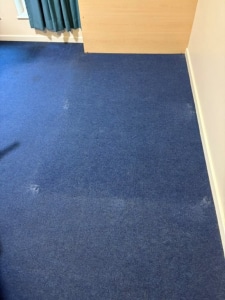
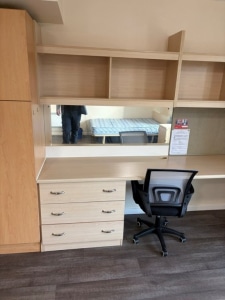
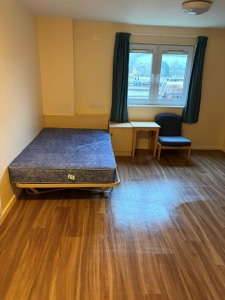
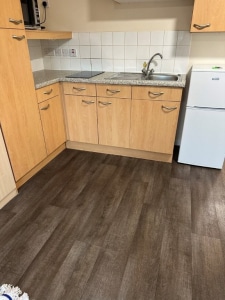
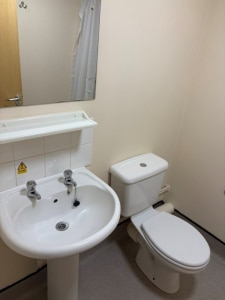
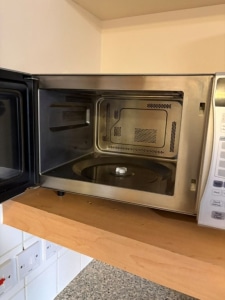
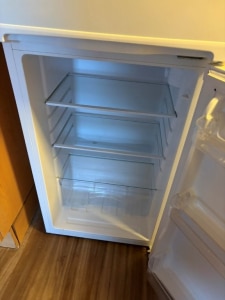
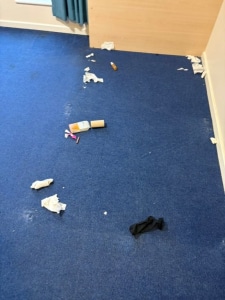
Student accommodation experiences some of the highest levels of wear and tear of any residential environment. With tight turnaround times between tenancies, maintaining consistently high standards of cleanliness is essential to provide incoming students with a fresh, welcoming living space.

A leading provider of student accommodation across Exeter needed a reliable cleaning partner to prepare multiple sites between occupancies, often within just a few days.

ServiceMaster Clean & Restore Devon was appointed to deliver a comprehensive turnaround cleaning programme that met demanding timescales while maintaining consistently high standards.

The challenge

Student accommodation turnarounds pose a number of challenges:

  • Tight deadlines – cleaning up to 50 studio apartments within as little as four days.
  • High standards – ensuring kitchens, bathrooms, appliances and living areas were cleaned to a consistently high standard despite heavy use.
  • Clear accountability – providing site managers with confidence that every room had been cleaned without adding to their workload.

The ServiceMaster solution

ServiceMaster Clean & Restore Devon implemented a structured cleaning programme designed specifically for student accommodation.

  • Kitchens and appliances – Deep cleaning and degreasing of worktops, splashbacks, cupboards, ovens, hobs and refrigerators, inside and out.
  • Bathrooms – Descaling and sanitising showers, toilets and basins, with taps, fittings and glass cleaned to a high finish.
  • Floor care – Vacuuming carpets beneath beds and furniture, together with mechanical cleaning of hard floors to restore heavily used surfaces.
  • Finishing touches – Internal windows cleaned, cobwebs removed, walls spot cleaned, and skirting boards, door handles and light switches wiped down.

Digital quality checks

Every studio apartment was photographed before and after cleaning, providing the accommodation team with a clear record that work had been completed to the required standard.

Efficient site management

Our team collected and returned keys through site reception, helping the turnaround run smoothly while keeping disruption to a minimum.

The results

  • All accommodation completed on schedule, even within the tight turnaround periods.
  • Rooms ready for incoming students, allowing new residents to move straight in.
  • Complete photographic records for every studio apartment, giving the accommodation team confidence that standards had been met.
  • An ongoing partnership to support future student accommodation changeovers.

Planning your next student accommodation turnaround?

Talk to ServiceMaster Clean & Restore Devon about a reliable, fully managed cleaning service that helps you meet tight deadlines without compromising on quality.

Call 01803 200 278 or email office@smcdevon.co.uk.


There is nothing quite like coming home after a holiday. You don’t want to leave, but you also look forward to getting home!

Your own bed. Your favourite chair. A familiar routine.

At the same time, returning home can help you notice things you hadn’t seen before leaving. Dust on the shelves, a carpet that appears a bit flat, or a sofa that no longer feels as fresh as it used to.

Even if your home was spotless before you went away, a few simple jobs can help it feel welcoming again.

Open the windows

Start by letting fresh air circulate in your home. Even a clean house can feel a bit stale after being closed up for a week or two.

Opening windows helps replace stagnant air, making rooms feel fresher almost instantly.

If the weather permits, keep the windows open as you continue with your cleaning routine.

Vacuum your carpets and rugs

Dust accumulates even when no one is home.

Before unpacking, thoroughly vacuum your carpets and rugs, especially in entrances, hallways, and living areas where dust tends to gather.

If you have pets, you might also find some hair that has settled while you were away.

Regular vacuuming is an easy way to make your entire home feel cleaner.

Refresh your upholstery

Even if your sofa and chairs haven’t been used while you were away, upholstery still gathers dust from the air.

Shake out the cushions, vacuum the fabric with the right attachment, and clean any leather furniture with suitable products.

If your upholstery was already due for a professional cleaning before your holiday, coming home is a great reminder to schedule one.

Give hard floors some attention

Hard floors tend to reveal dust quickly, especially in dry summer conditions.

Start by sweeping or vacuuming to pick up loose dirt, then mop with an appropriate cleaner for your flooring type.

Whether your floors are luxury vinyl, laminate, tile, or stone, selecting the right cleaning product helps preserve their finish and enhance their appearance.

Wash away holiday dust

Dust settles surprisingly fast in an empty home.

Use a microfiber cloth to wipe surfaces, skirting boards, shelves, and window sills before putting everything back.

This small step makes your home feel significantly fresher.

Check for stains you had forgotten about

Sometimes, marks that were present before your holiday become more noticeable upon your return.

You might notice a coffee stain on the carpet, a mark on the dining chair, or a spill on the rug that hasn’t fully cleaned up.

Instead of postponing their cleaning, now is a good time to tackle them. New stains are typically easier to clean, but even older marks can often be improved with professional cleaning.

Think beyond the visible dirt

A home can appear tidy while still harbouring dust, allergens, body oils, and odours deep in carpets and upholstery.

Professional cleaning eliminates this concealed buildup, making your home not only look cleaner but also feel fresher.

Additionally, it helps preserve carpets, rugs, upholstery, and hard floors from unnecessary wear, ensuring they remain in good condition longer.

Start the next season with a fresh home

Returning from holiday often feels like a fresh start.

Giving your home a proper refresh helps extend that feeling for a little longer. Clean carpets, fresh upholstery, spotless rugs, and well-maintained hard floors all make a noticeable difference to how your home looks and feels.

If your home needs more than a quick tidy after your holiday, professional cleaning can help restore the freshness that everyday cleaning cannot always achieve.

Find your nearest ServiceMaster Clean or book online today.

If you have a pet at home, you know they’re like family. You also know they tend to bring the outdoors inside.

During summer, this issue increases: longer walks, extended garden visits, warmer weather, and open doors all put more strain on your carpets, upholstery, rugs, and hard floors than in other seasons.

Here’s why summer can be particularly tough on homes with pets.

More time outside means more dirt inside

Summer typically means your dog spends more time outside.

Whether they’re chasing a ball in the yard, running through the park, or exploring woodland trails, each adventure leaves something behind.

Dust, grass, pollen, mud, tiny stones, and even tree sap can cling to their paws. Much of it ends up on your carpets and floors.

Cats can also bring dust and pollen back inside after outdoor excursions.

Pet hair seems to get everywhere

Many pets shed naturally year-round, with increased shedding in warmer months as they shed their winter coats.

Loose hair often lands on sofas, rugs, carpets, curtains, and in hard floor corners. It also traps dust and allergens, which can make your home feel less fresh over time.

While regular vacuuming helps, it can’t eliminate all hair and debris concealed deep within carpets and upholstery.

Warm weather makes odours more noticeable

Heat tends to amplify odours. Pet smells that are barely seen in winter can become much more noticeable in warmer weather.

Carpets, rugs, and upholstery naturally absorb odours over time. As temperatures climb, these trapped odours become easier to notice.

Professional cleaning targets and eliminates the odour source, not just disguises it.

More accidents can happen

Hot weather alters daily routines. Pets tend to drink more water, stay outside longer, and frequently move between the garden and the house.

Summer showers can leave wet paws and muddy footprints and sometimes cause accidents.

Prompt action can prevent stains from setting, but stubborn spills may require professional cleaning to be fully removed.

Pollen affects pets, too

Many people overlook the fact that pets can bring pollen into the home.

It accumulates on their fur when they are outside and is then transferred onto carpets, rugs, and furniture.

Over time, these allergens build up inside soft furnishings.

Regular professional cleaning effectively removes pollen deeply embedded in fibres, contributing to a fresher, healthier environment for everyone in the household.

Your favourite seat is probably your pet’s too

Most pets have a preferred spot where they like to relax, such as the same chair, sofa cushion, or rug each day.

This frequent use causes visible wear over time, with hair accumulating, fabrics becoming flattened, and natural oils transferring into the upholstery.

Even the cleanest pets leave traces in their favourite areas.

Professional upholstery cleaning can refresh furniture and enhance its appearance, making it feel and look as good as new.

A little maintenance goes a long way

Living with pets shouldn’t cause ongoing worries about your home.

Adopting simple habits can make a significant difference:

  • Regularly vacuum with a HEPA filter if possible.
  • Clean muddy paws before pets enter the house.
  • Frequently wash pet bedding.
  • Maintain regular grooming to minimise loose hair around your space.

Additionally, professional cleaning once or twice annually helps eliminate dirt, allergens, and odours that daily cleaning misses.

Enjoy summer with your pets, not the mess

Summer is the perfect time to create memories with your pets, whether through long walks, garden afternoons, or relaxing at home.

Regular professional cleaning of carpets, upholstery, rugs, and hard floors keeps your home cleaner and fresher, ensuring it’s prepared for whatever your four-legged family members bring in.

Find your nearest ServiceMaster Clean or book online today.

The summer holidays are something many families look forward to.

The school run stops. Mornings become a little more relaxed. Days are spent in the garden, at the beach, in the park, or visiting friends and family.

One part of your home likely isn’t excited about the upcoming school holidays: your flooring, carpets, and upholstery.

With children spending more time at home, your floors and furniture naturally see more use. It is all part of family life, but it can take its toll surprisingly quickly.

More feet through the house

During term time, the house tends to be quieter during the day.

However, this changes during holidays when children frequently move between the garden and the house.

Friends visit, and family members come and go throughout the day.

Each trip indoors brings in dust, grass, mud, sand, tiny stones, and pollen. Much of this debris ends up in your carpets, rugs, and flooring.

Summer spills become everyday accidents

School holidays often lead to eating in whatever space is available, such as enjoying ice creams on the sofa, drinking fruit juice in the living room, snacking on crisps during a movie, or using tomato ketchup after a barbecue.

Most families have experienced at least one of these situations.

Although quick action can prevent some damage, repeated spills can leave stubborn stains and residues that household cleaning alone may struggle to fully remove.

Sofas work harder than ever

Your sofa naturally becomes the hub of family activity during the holidays. It’s the spot where children watch movies, play games, read books, and occasionally have lunch.

Over time, the upholstery collects body oils, crumbs, dust, pet hair, and everyday grime.

While it may appear clean, it often feels less fresh than at the start of summer. Professional upholstery cleaning eliminates this hidden buildup and revitalises your sofa’s comfort.

Hard floors are not immune

Hard floors are often thought to require little upkeep. While they simplify daily cleaning, summer can still be challenging.

Garden grit acts like sandpaper, slowly dulling finishes on luxury vinyl, laminate, tile, and other surfaces. Spills from drinks and sunscreen residue can make floors look worn if not cleaned properly.

Choosing the right cleaning products is essential for protecting the finish and maintaining the floors’ appearance.

Rugs collect more than you think

Rugs are typically located in the most used areas of the home, such as hallways, living rooms, and play zones, where there is constant activity during the holidays.

This frequent foot traffic causes rugs to accumulate dust, grass, pollen, pet hair, and food crumbs over time.

While regular vacuuming clears surface dirt, dirt that settles deeper into the fibres remains.

Professional cleaning is effective at removing this hidden dirt and can help prolong your rug’s life.

A clean home is easier to enjoy

Summer is a time for creating memories rather than stressing over muddy footprints or spills.

While regular cleaning during the holidays is helpful, it’s important to remember that carpets, upholstery, rugs, and hard floors also benefit from deep cleaning.

Refreshing your home during or after the school holidays helps eliminate months of dirt buildup and gets it ready for the busy months ahead.

Give your home a fresh start this summer

School holidays can be hard on your floors, carpets, and upholstery, but they don’t have to cause lasting damage.

Professional cleaning removes visible dirt and hidden grime, leaving your home cleaner, fresher, and better prepared for the rest of summer.

Find your nearest ServiceMaster Clean or book online today.

Summer is often one of the busiest periods of the year for property changeovers. Student accommodation, holiday lets, and HMOs commonly have only a short window between occupants, so timely cleaning is essential.

A clean, fresh, and well-presented property creates a positive experience from the moment someone walks through the door, while also helping to protect your investment and identify maintenance issues before they become more costly.

Turnaround cleaning is about more than simply making a property look presentable. It requires careful planning, attention to detail and the ability to work to tight deadlines. From removing stubborn stains and built-up grime to tackling high-touch areas and refreshing communal spaces, a professional clean ensures every property is ready for occupation.

The team at ServiceMaster Clean & Restore Devon has extensive experience delivering high-quality turnaround cleans within demanding timescales, helping to minimise void periods and keep properties on schedule. Whether it’s a single property or a large portfolio, we can tailor our services to meet your exact requirements.

Our turnaround cleaning service can include:

  • Deep cleaning of kitchens and bathrooms
  • Carpet and hard floor cleaning
  • Window cleaning
  • Appliance cleaning
  • Sanitisation of high-touch surfaces
  • Upholstery cleaning
  • Exterior pressure washing and gutter cleaning
  • Optional specialist services such as ozone treatment and fogging

We work with universities, private student accommodation providers, housing associations, landlords, holiday let owners and commercial property managers across Devon and the surrounding areas. Our reliable, flexible service can be scaled to suit projects of any size and works around your turnaround schedule.

If you have multiple properties to prepare this summer, planning ahead can help ensure everything is completed on time. Our experienced teams can work around your schedule, helping you minimise downtime, maintain high standards and keep your properties running smoothly from one occupant to the next.

For a no-obligation quote, contact the ServiceMaster Clean & Restore Devon team on 01803 200 278 or email office@smcdevon.co.uk.

For many organisations, especially schools and universities, summer is the ideal time to carry out cleaning and maintenance tasks that are difficult to schedule during busier periods. It also offers the chance to prepare your property for autumn and winter, before the colder, wetter months begin to take their toll.

Rather than waiting until problems arise, a proactive cleaning programme can help protect your building, improve the working environment and reduce the need for reactive maintenance.

With quieter buildings and greater flexibility in the summer months, now is the perfect time to tackle the areas that are often overlooked for the rest of the year.

The team at ServiceMaster Clean & Restore Devon recommends considering the following:

  • Hard floor maintenance – Deep cleaning and restorative treatments can extend the life of flooring and enhance its appearance.
  • Carpet cleaning – Removing accumulated dirt and allergens helps create a cleaner, healthier workplace.
  • High-level cleaning – Dust can quickly build up on beams, pipework, lighting and ventilation systems, particularly in schools, warehouses and industrial premises.
  • Washroom deep cleans – A thorough clean can improve hygiene standards and help maintain a positive impression among staff and visitors.
  • External areas – Cleaning entrances, pathways and external surfaces helps keep your premises looking professional and reduces slip hazards.
  • Gutter cleaning – Clearing leaves, moss, and debris from gutters and downpipes helps ensure rainwater can drain properly, reducing the risk of water damage, damp, and costly repairs during the wetter months.
  • Ventilation and air quality – Removing dust and contaminants from relevant areas can contribute to a cleaner indoor environment.

Planning these works during quieter months helps minimise disruption to your day-to-day operations and ensures your building is in the best possible condition before autumn and winter bring increased footfall, wetter weather and greater wear and tear.

If you’re unsure where to start, our team can carry out a site visit and recommend a cleaning programme tailored to your building, budget and operational requirements.

For a no-obligation quote, contact the ServiceMaster Clean & Restore Devon team on 01803 200278 or email office@smcdevon.co.uk.

A bright, sunny room is unmatched. Natural light enhances your home, making it feel larger, warmer, and more welcoming.

However, while sunshine is great for your living space, it is not always kind to your furniture.

Over time, sunlight can alter the look and condition of your upholstery. These changes are usually so slow that many homeowners don’t notice them until the damage has occurred.

The good news is that there are simple ways to protect your furniture and keep it looking its best for longer.

Sunlight causes colours to fade

The most significant effect sunlight has on upholstery is fading.

Ultraviolet (UV) rays gradually degrade the dyes in fabrics, causing colours to fade and appear washed out.

You may notice that one arm of the sofa looks lighter than the other, or that the cushions closest to the window no longer match the rest of the furniture.

Dark colours usually fade faster, although lighter fabrics are also susceptible.

Heat can weaken upholstery fibres

The issues are not solely caused by sunlight.

Extended exposure to heat can slowly dry out upholstery fibres, making fabrics less soft and flexible over time.

Natural materials like cotton and wool are especially vulnerable, though some synthetic fabrics may also become more fragile after prolonged sun exposure.

Although these changes occur gradually, they can shorten the overall lifespan of your furniture.

Summer highlights what winter hides

Bright sunshine has an additional effect: it enhances visibility.

Dust, flattened fibres, light stains, and worn spots are far easier to see when sunlight shines through your windows.

Many assume their upholstery has suddenly become dirty, but in reality, the sunlight is simply exposing the gradual buildup over time.

Open windows bring more than fresh air

During summer, many people keep windows and patio doors open all day.

This helps make homes more comfortable but also lets in pollen, dust, and airborne particles.

Upholstery serves as a filter, trapping these particles in the fabric.

Additionally, the increased use of furniture during summer holidays can cause sofas and chairs to appear worn out more rapidly than anticipated.

Small changes can protect your furniture

You don’t have to keep your curtains closed all summer. A few simple habits can reduce the effects of sunlight.

Rotate cushions regularly to ensure even wear, and move decorative cushions now and then to prevent permanent colour changes.

During the hottest parts of the day, close blinds or curtains if furniture is in direct sunlight. If feasible, shift smaller furniture away from windows every few months.

These minor adjustments can lead to noticeable improvements over time.

Professional upholstery cleaning helps maintain your furniture

Although professional cleaning cannot reverse sun fading, it can rejuvenate your upholstery’s appearance.

Dust, body oils, allergens, and everyday dirt accumulate inside the fibres. Clearing this build-up enhances the brightness and softness of the fabrics.

Additionally, professional cleaning helps maintain the upholstery’s condition, extending its lifespan.

Regular maintenance is one of the easiest methods to safeguard your furniture investment.

Looking after your upholstery all year round

Sunlight helps make a home welcoming, but it can also affect your furniture.

To preserve your upholstery’s appearance, comfort, and durability, protect it from prolonged exposure to sunlight and have it professionally cleaned.

If your sofa or favourite chair appears worn out, expert upholstery cleaning can revitalise it.

Find your local ServiceMaster Clean or book a cleaning online today.

ServiceMaster Limited incorporated and registered in England and Wales with registered number 01250088 whose registered office is ServiceMaster House, The Whittle Estate, Cambridge Road, Whetstone, Leicester LE8 6LH and whose correspondence and trading address is ServiceMaster House, The Whittle Estate, Cambridge Road, Whetstone, Leicester LE8 6LH.

Copyright - ServiceMaster Design Yopp